

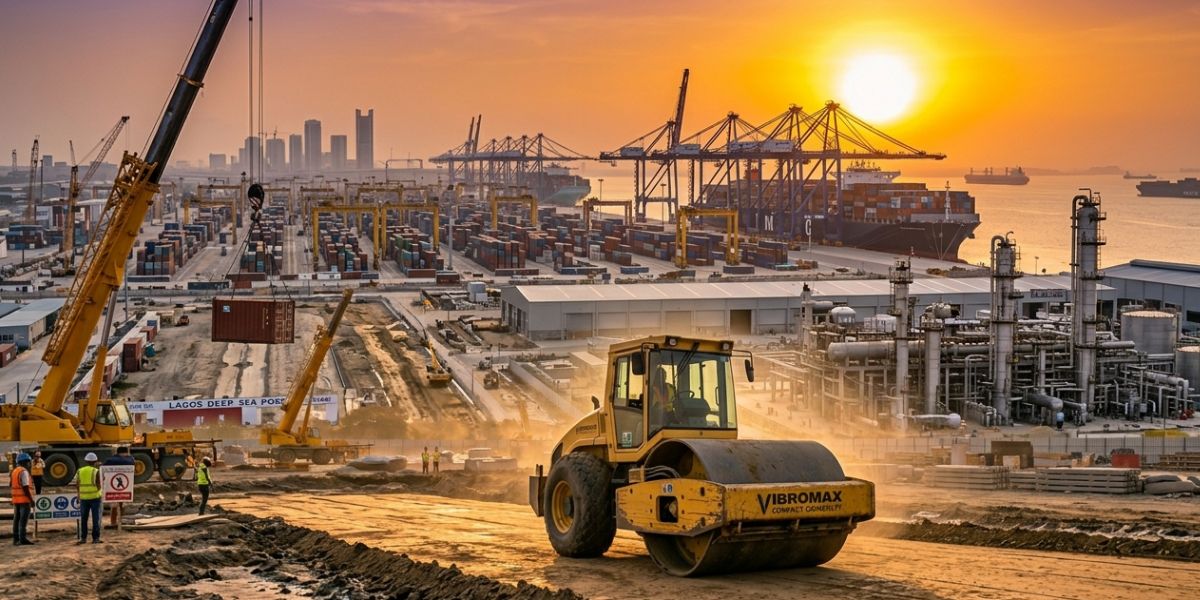
Nigeria's Ibeju-Lekki axis is no longer just a dot on a Lagos map — it has become the beating heart of Africa's single largest concentration of industrial mega-projects. The convergence of the Dangote Petroleum Refinery, the Lekki Deep Sea Port, and the Alaro City industrial and residential development has triggered a construction boom of a scale that Nigeria has not witnessed in a generation. For contractors, developers, and project managers operating in this corridor, one variable above all others determines whether a project finishes on schedule or spirals into budget overruns: equipment availability.
A Corridor Under Pressure
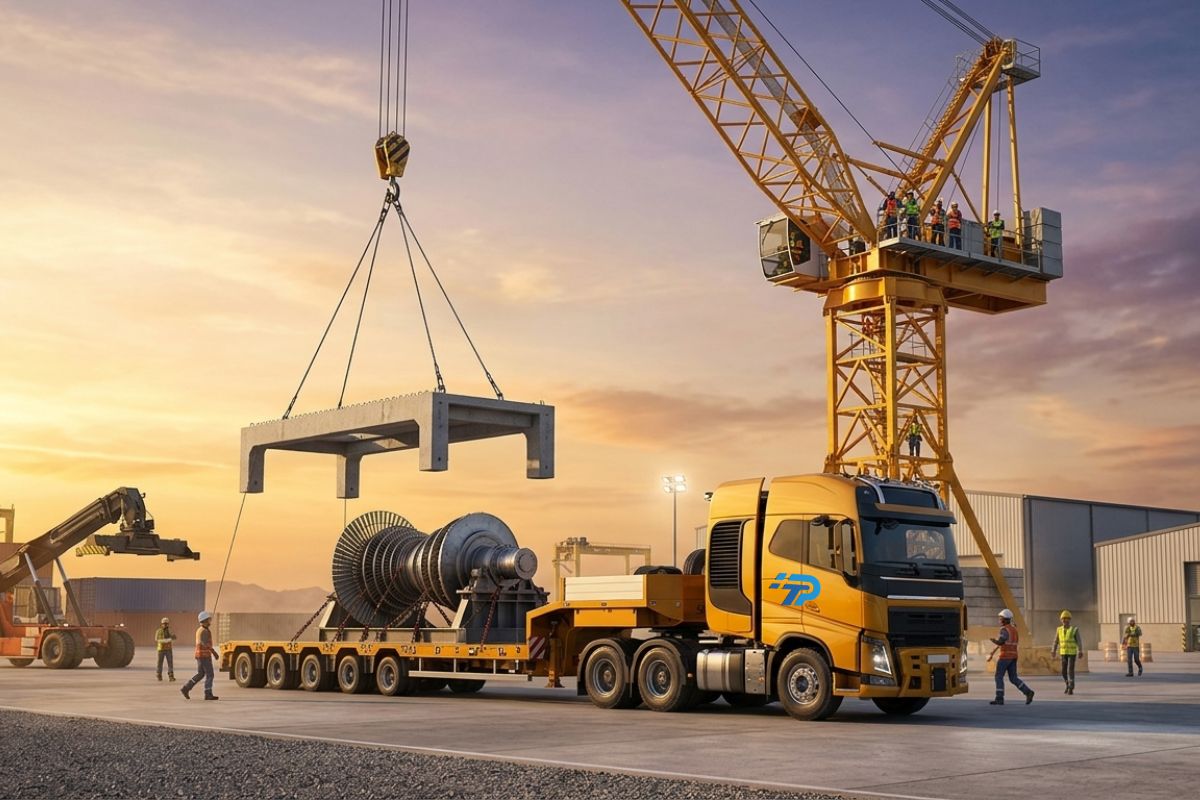
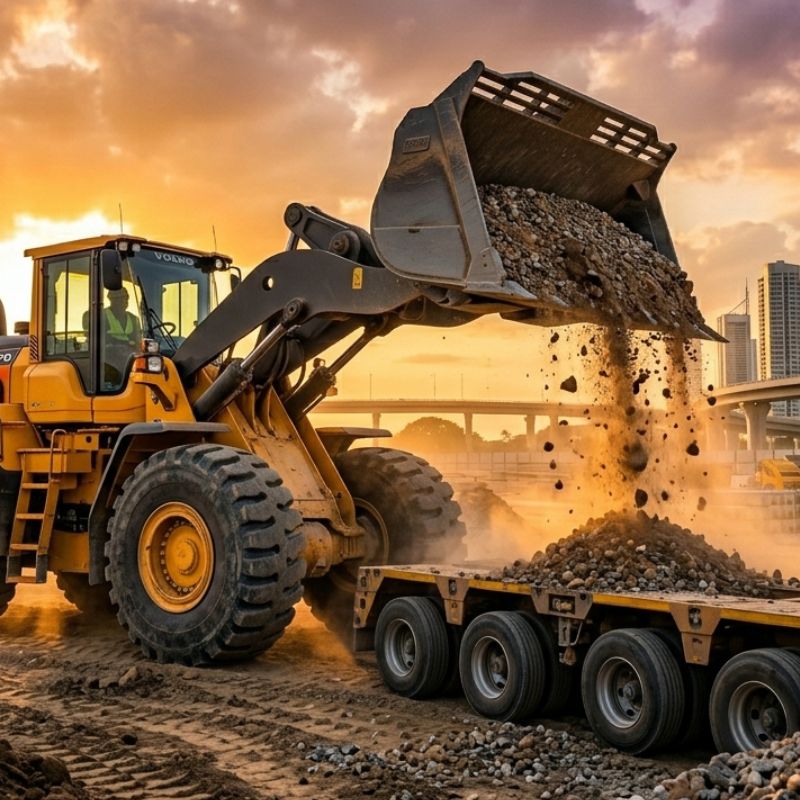
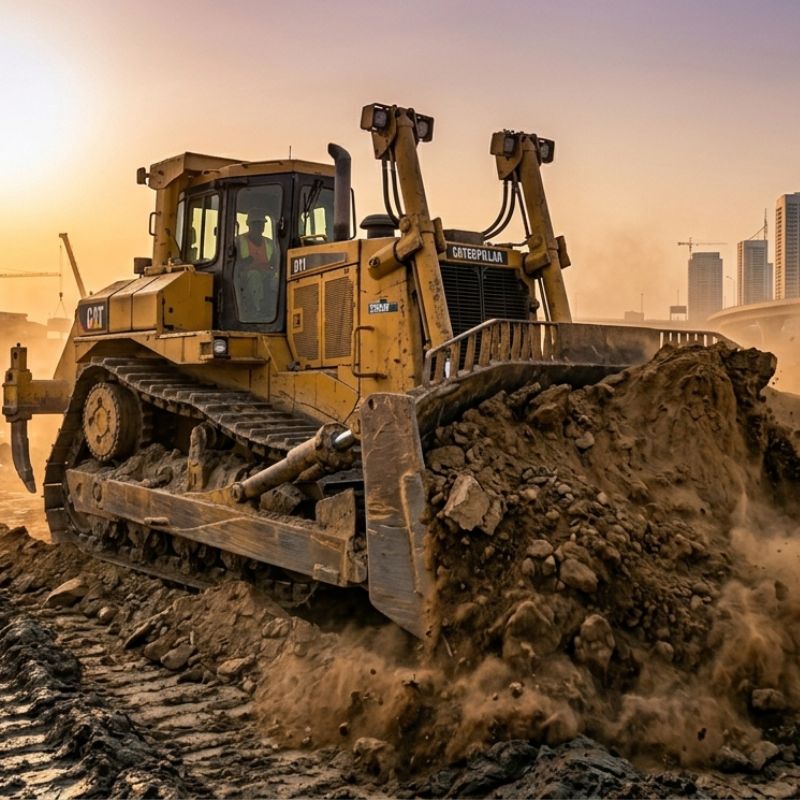
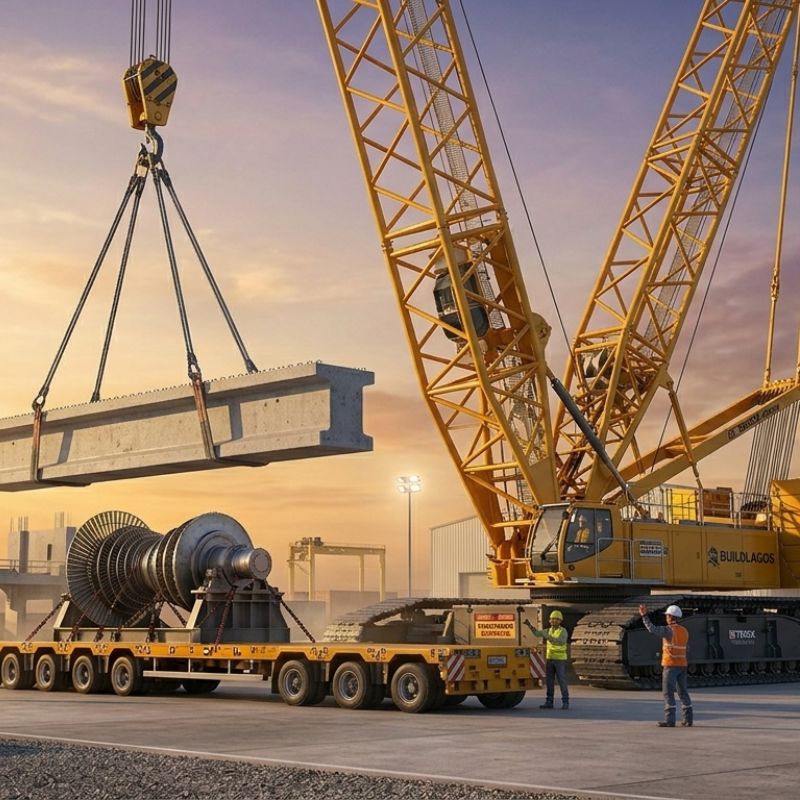
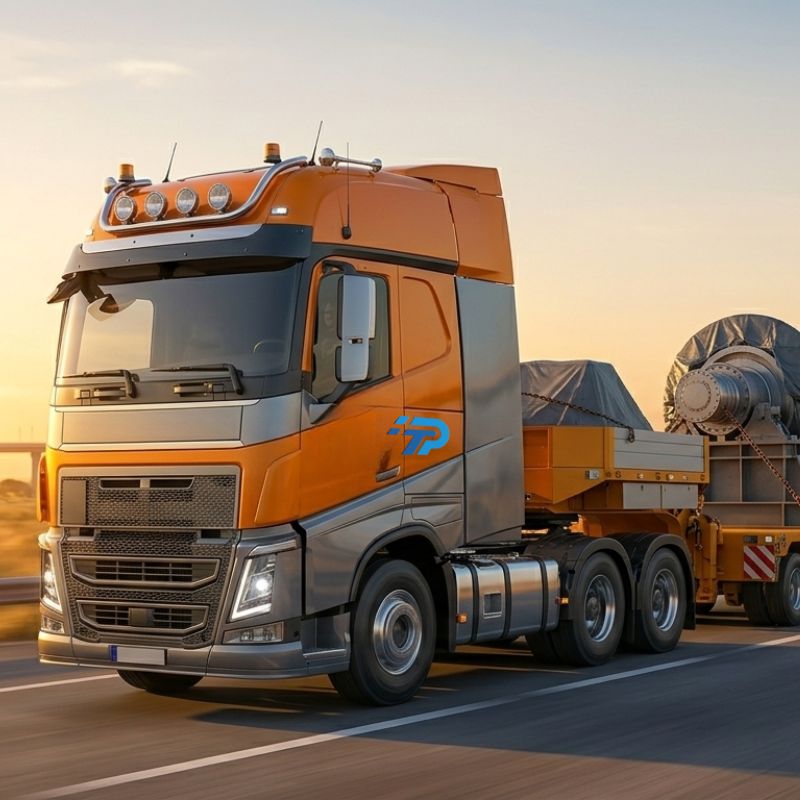
The scale of concurrent demand along the Lekki-Epe expressway is extraordinary. The Dangote Refinery — Africa's largest single-train refinery — continues to require heavy civil support equipment as it moves into operational ramp-up and auxiliary infrastructure phases. Simultaneously, the refinery's trailer and haulage expansion programme has placed intense demand on specialised equipment, including platform trailers, cranes for module installation, and heavy payloaders for yard management. Contractors who underestimated this demand found themselves scrambling, sometimes paying a premium of 40% or more to source machines at short notice from Lagos Island brokers with no corridor experience.
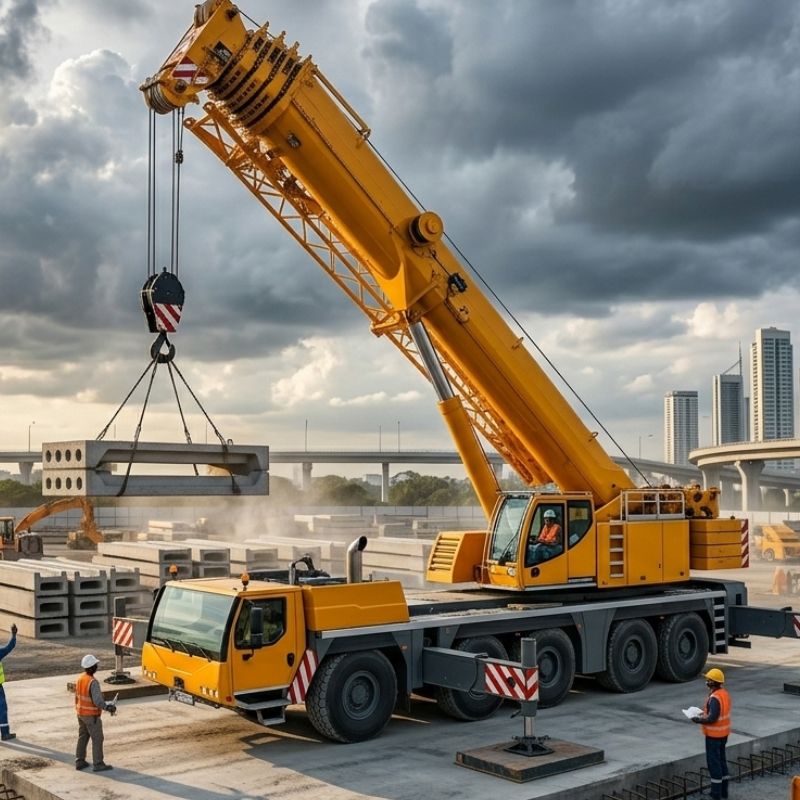
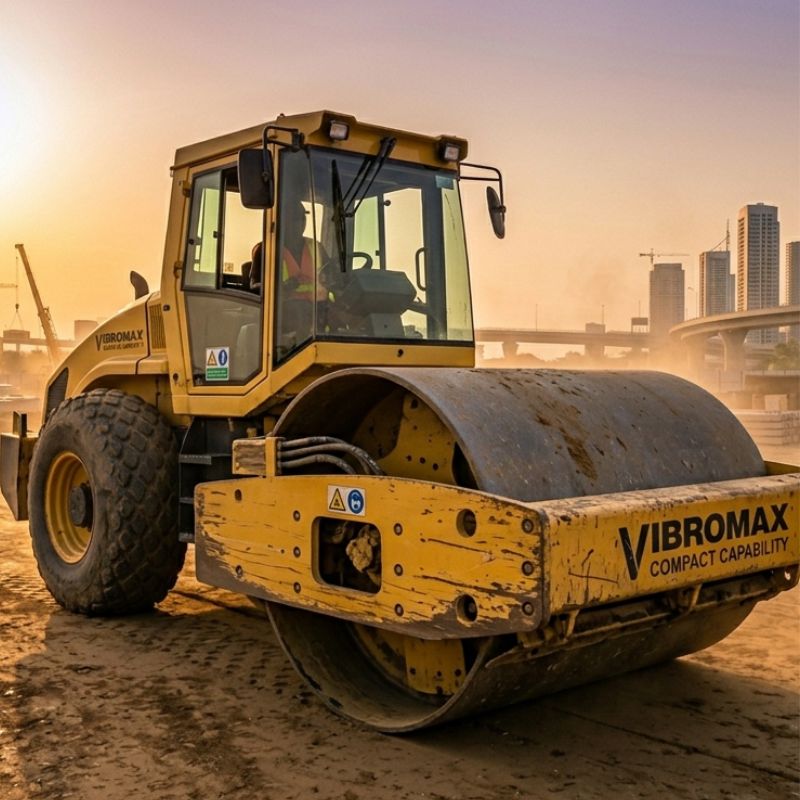
Meanwhile, the Lekki Deep Sea Port — now operational and integrating rapidly with the adjacent Lagos Free Zone — is generating a second wave of equipment demand. Port construction support, container yard development, and the buildout of warehousing and light manufacturing facilities within the free zone all require simultaneous access to cranes, excavators, and compactors. The integration of the port with the free zone has essentially created a self-reinforcing economic engine that keeps demand for earthmoving and lifting equipment consistently elevated throughout the year — not just in peak construction seasons.
The Hidden Cost of Equipment Delays
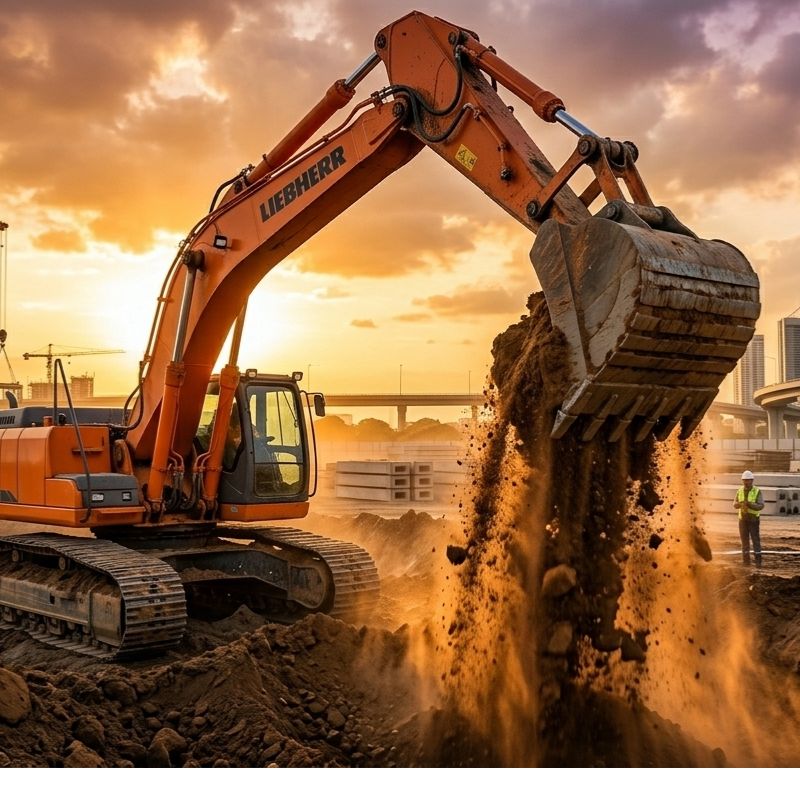
Many project managers underestimate how quickly equipment downtime compounds into financial loss. Consider a standard scenario: a contractor secures a 12-week foundation contract for an Alaro City commercial block. If their excavator is unavailable for just five working days due to a mechanical fault — with no pre-arranged replacement — they face idle labour costs, potential penalty clauses, and the near-impossible task of sourcing a replacement in a market where demand already outstrips supply. Conservative industry estimates suggest that unplanned equipment downtime costs Nigerian construction projects between ₦800,000 and ₦2.5 million per day, depending on the size and complexity of the works.
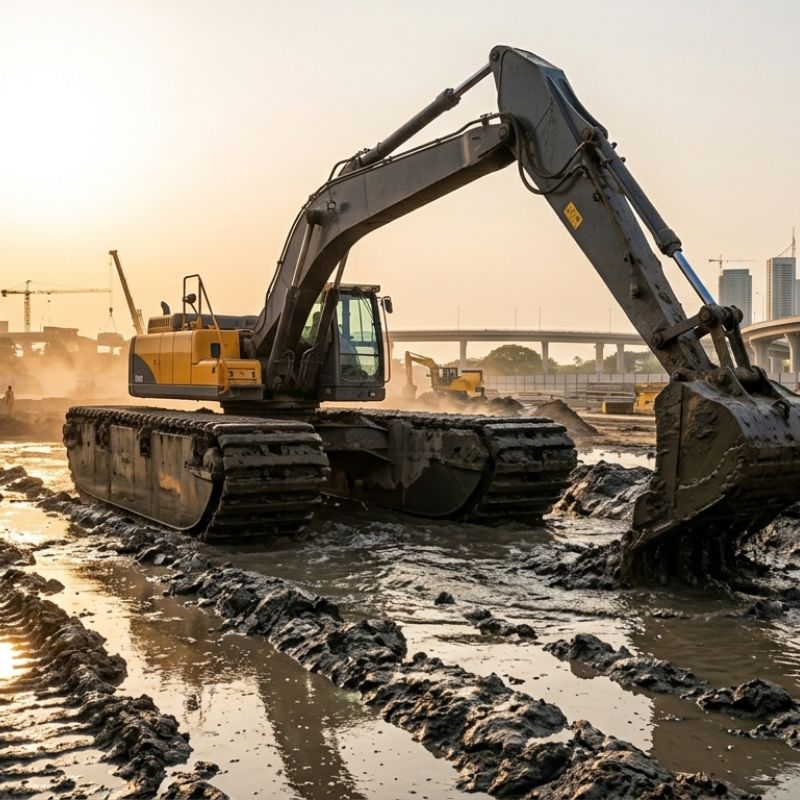
The problem is compounded by the unique terrain of Ibeju-Lekki. Much of the corridor remains swampy and mangrove-interspersed, meaning that standard equipment brought in from Lagos Island or Apapa simply cannot operate effectively without ground-bearing preparation or the use of specialist swamp buggies and amphibious excavators. Contractors who lack relationships with brokers experienced in this terrain routinely suffer costly delays as equipment sinks, gets stuck, or simply refuses to perform on waterlogged reclamation land.
Why a Local, Vetted Broker Makes All the Difference
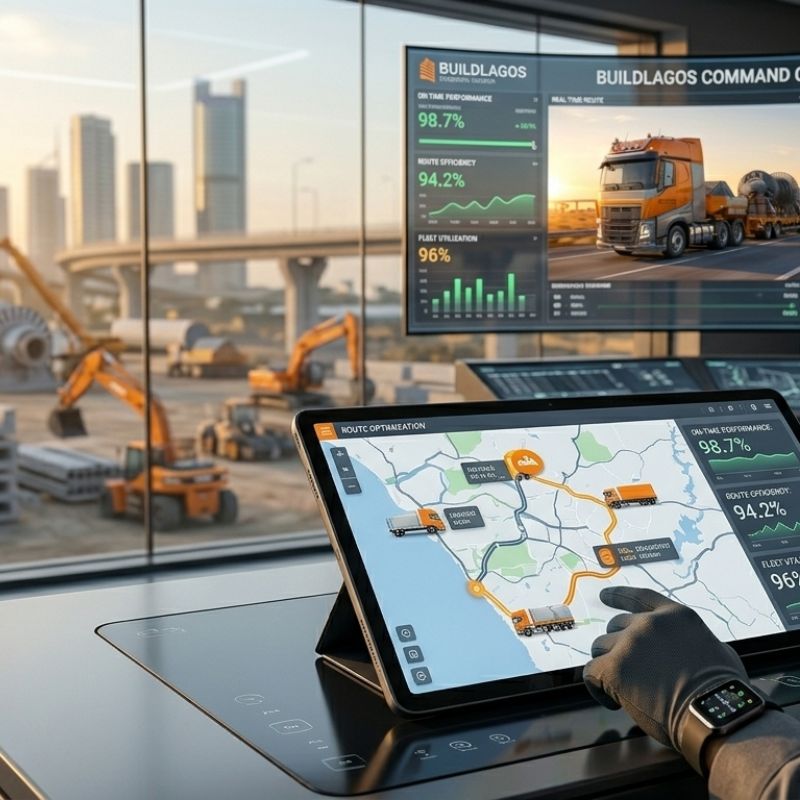
This is the precise gap that Truckpoint Tech Global Limited was built to fill. Based in Epe, Lagos — at the heart of the operational corridor — Truckpoint maintains a live network of pre-verified, mechanically certified heavy equipment available for rapid deployment. Unlike brokers operating from Lagos mainland who treat the Lekki-Epe axis as a distant afterthought, our team has on-the-ground knowledge of access routes, terrain conditions, and project-site requirements across the Dangote, Lekki Port, and Alaro zones.
Our vetting process means that every machine in our network has passed a physical inspection, carries Goods-in-Transit (GIT) insurance, and is matched with an operator who understands the specific demands of construction in this corridor. When a replacement is needed urgently, we can mobilise within hours — not days. Our 24/7 dispatch hotline ensures that a breakdown at 11pm on a Thursday does not cost you Friday's entire shift.
The Strategic Advantage of Planning Ahead
The most successful project managers on the Lekki-Epe corridor have one thing in common: they establish their equipment brokerage relationships before they need them urgently. By pre-qualifying your requirement with Truckpoint at the beginning of a project — not in the middle of a crisis — you gain access to priority deployment, preferential rate structures, and the confidence that comes from knowing exactly who to call when things don't go to plan.
The Lekki-Epe logistics boom is real, it is sustained, and it is creating extraordinary opportunity for contractors who are prepared. The question is not whether you will need heavy equipment on short notice at some point in your project — it is whether you have the right partner in place when that moment arrives. Truckpoint is that partner.